Growing Orchids: July in St. Augustine
If you like what you see, feel free to leave a donation; just click on the Tip Jar. Thank you!Based on AOS monthly checklists by Robert Scully and Ned Nash & James Rose, adapted to St. Augustine by local growers
General Orchid Growing Tips
The heat and humidity of summer are here. When day time temperatures rise above the 90 to 95F range, you’ll see orchid growth start to slow. Water slightly less frequently than during the spring. Orchid plants require lots of fresh air to keep the plant leaves cool. Consider spraying under benches or the planting area to lower temperatures a few degrees. Pests are most active during the warm months. Be vigilant in observing signs of damage and treat quickly if they appear. The bulk of your repotting should be complete.

Cattleyas
Cattleyas can be watered and fertilized daily if mounted or every third day or so if in a coarse, freely draining medium. Applying adequate fertilizer is the best way to ensure the best blooming in that the growths your plants are making now are the source of future blooms. Be careful to peel back the flower sheaths so the emerging buds don't rot. Also remove dried cataphylls to eliminate hiding places for scale. Higher temperatures and humidity may lead to fungal or bacterial rot. Watch for signs of pests or diseases and respond quickly.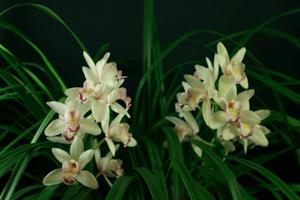
Cymbidiums
Growths should be developing strongly now. The leaves of the new growths are best when they are broad and fairly stiff. The color should be a light green to nearly yellow. Cool your plants in the early morning and late evening using a hose or automatic misting system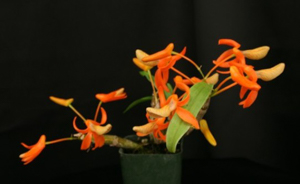
Dendrobiums
It is almost impossible to overwater dendrobiums this time of year, assuming you have them either mounted or in a coarse, mostly inorganic medium. Lots of heat and light call for liberal applications of water and fertilizer.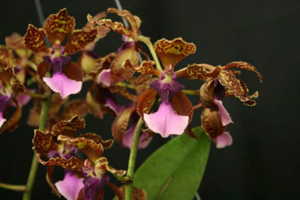
Oncidiums
Many of the intergeneric crosses between odontoglossums and oncidiums (Odontocidium, Wilsonara, Colmanara, etc.) will be blooming now. Take special care to train the spikes for best floral displays. Keep plants under fairly shady conditions. Watch for snails and slugs.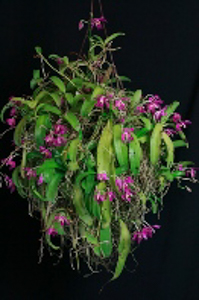
Phalaenopsis
Most, if not all, repotting should be complete by now. Once root growth begins after repotting, you can continue watering with a dilute fertilizer solution every week or so if your phals are in a soilless or coco type mix; the frequency might be every 2 weeks or so if your plants are potted in the more water retentive sphagnum moss. The summer growth phase is the source of energy for next spring's flower spikes. The more leaves the plants grow, the better potential for flower spiking will be realized. Don't let water accumulate in the crowns of plants, or crown rot can occur and quickly kill your plants. If grown outdoors, grow the plants with the pots tilted so rainwater will freely drain from the crown.