

July 7 - Angraecums for the Home
Alan Koch, Gold Country Orchids
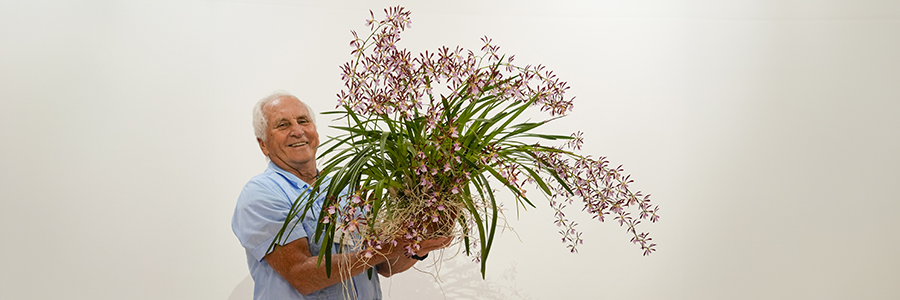
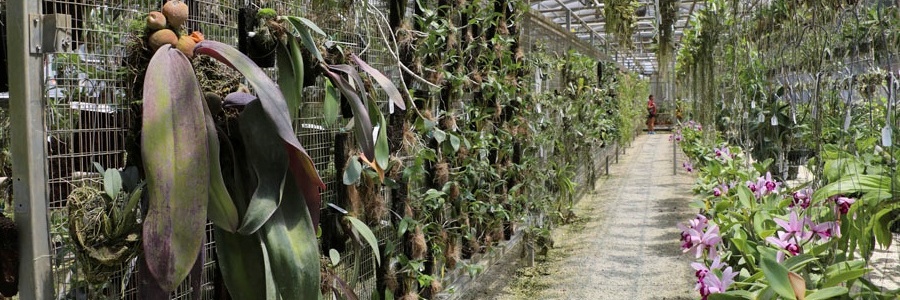
Alan will speak about Angraecums and their Relatives for the Home Grower. This program looks at the many miniature and compact African species and their hybrids that do well in the home. He will offer lots of great cultural tips on growing them.
Alan Koch owns and operates Gold Country Orchids where he specializes in miniature and compact Cattleya’s along with miniature species. His nursery is located on 10 acres of land in Lincoln, California where he grows about 250,000 orchids. He is recognized as an expert in the Brazilian Cattleya alliance and a trend setter in miniature compact and Cattleya breeding. Alan has been published in the Orchid Digest, the American Orchid Society magazine, as well as many International Publications. He is an internationally known speaker and is tons of fun.
When: June 2, 6:30 to 9 pm
Where: Memorial Lutheran Church
Drive around to the back entrance
3375 US 1 South, St. Aug 32086

SAOS News and Activities
Questions? Call or text Sue at 904-501-0805 or email staugorchidsociety@gmail.com.Click to join the St. Aug Orchid Society.
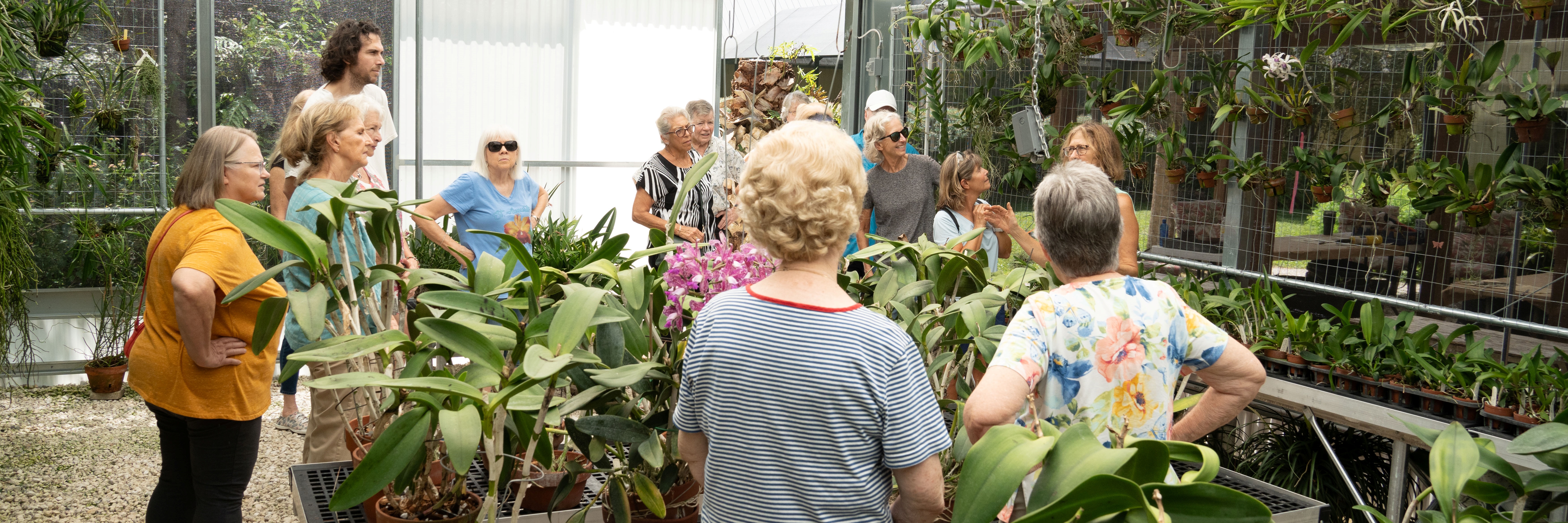
July 11 Repotting Clinic. Need help with your orchids? The first Saturday of the month from 10 am til noon, February through October, St. Augustine Orchid Society members are available to talk with you, answer questions and help you repot orchids at the Southeast Branch Library.
Where: Southeast Branch Library
6670 US 1 N, St Aug 32086
When: Saturday, July 11, 10 am - noon

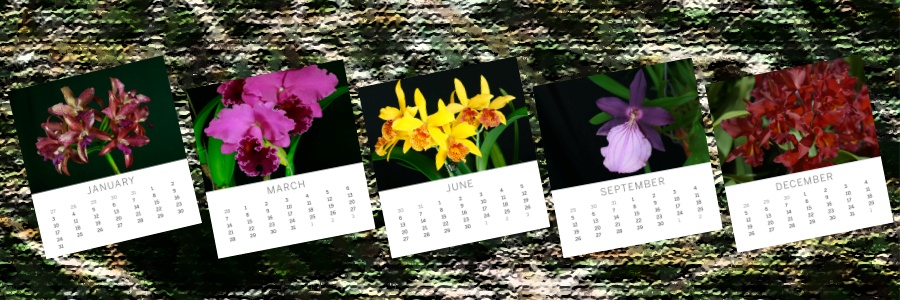
If you want to share images of your beauties in bloom for next month, send high res pics by the 23rd to staugorchidsociety@gmail.com
Not from St. Augustine? Sign up for a $7 annual online subscription. We'll deliver our newsletter packed with advice right to your inbox and you'll help us maintain the quality of our website and newsletter!

Monthly Meetings
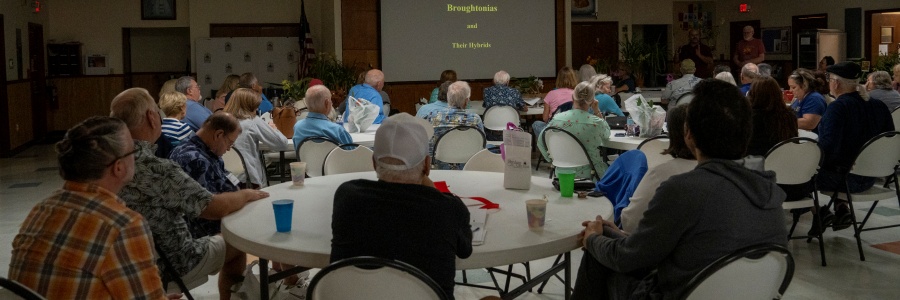
Photo of the Month. Our June selection is Neofinetia (syn. V.) falcata var. Shutennou, grown and photographed by Suzanne Susko. This orchid, commonly known as the Japanese Wind Orchid or Samurai Orchid, is a miniature, highly fragrant epiphyte. The variety Shutennou, meaning "Red Emperor," is the most popular pink/magenta-blooming cultivar of this species, prized for its vivid flowers and intense nighttime fragrance.Monthly Meetings. We meet on the first Tuesday of each month. The meeting begins at 6:30 with a plant sale followed by a review of the show table plants and presentation by an orchid expert. The meeting closes with a plant raffle where members can expand their collections. It's fun and informative for growers of all levels. Join us, visitors and guests are always welcome!
Where: Memorial Lutheran Church
3375 US 1 South, St. Aug 32086
When: First Tuesday of Month, 6:30 til 9 pm
Cultural Tips for Orchid Growers
Bob Scully's Month by Month Orchid Growing:
June in St. Augustine. Spring's mild days are gone. The late spring-early summer growing conditions induce vigorous vegetative activity. Orchids repotted earlier should be showing... read moreDr. Courtney Hackney Tips, Redux:
Poor Growers. The Summer Solstice occurs late this month indicating that the sun is at its peak even before the intense heat of summer arrives. Most hybrids... read moreSpring Checklist. Spring is the busiest time of the year for Orchid growers. Given the recent weather in the Carolinas it may be difficult for us to tell that spring has indeed arrived... read more
The ABC's of Repotting Spring is the ideal time to repot most Orchids. Unfortunately, many new hobbyists are either too anxious to repot or neglect to repot when... read more
Dr. Martin Motes Notes:
Orchids in June. May is a month of transition in South Florida. Early in the month we can expect the driest weather of the year. Because of the clarity of the air and lack of cloud... read moreCulture Article by Sue Bottom:
Repotting Through the Year. Just like our garden plants, orchids struggle with transplant shock after repotting. Simply removing a plant from the pot disrupts the root system... read moreRepotting Orchids - Wet or Dry. I have always used water during the repotting process. First, to soften the roots so they can more easily be removed from the pot. Next, to water blast... read more
Culture Article by Eric Milstrey
Make Your Own Wooden Baskets. This cutting guide is designed for most orchid basket needs, with a basket depth of about three inches. Some may wish for deeper baskets... read moreJoin or Renew Your Membership
The St. Augustine Orchid Society is a dynamic group of orchid growers having all levels of experience, from those who just brought their first orchid home to those with overflowing greenhouses. All members have one thing in common. We love to share our experiences, our knowledge and our orchid divisions with other orchid growers. Come to one of our meetings so we can get to know each other. If you would like to join, you can complete this interactive form.Join the Club or Pay Your Dues
The dues are $20 for an individual or $30 for a family if paid by Zelle (904-501-0805), Venmo (to St. Augustine Orchid Society under charities) or check (mail c/o Linda Stewart, 1812 Diana Drive, Palatka 32177). For an extra dollar use the PayPal links below.Individual Membership
Family Membership
Newsletter Subscription
Not from St. Augustine? Sign up for a $7 annual on-line subscription. We'll deliver our newsletter packed with advice right to your in-box.Donate to the Nonprofit SAOS

Donate to the Nonprofit SAOS
Donate to the St. Augustine Orchid Society and PayPal waives all fees. Select the St. Augustine Orchid Society as your favorite charity by clicking this link.Ebay for Charity Add St. Augustine Orchid Society as your favorite charity on eBay today!